

Exploring DataFuse AI’s Distributed Processing Architecture: Unleashing the Power of Scalable Data Workflows
In today’s data-driven landscape, efficiently processing large datasets is vital for organizations to make timely decisions and maintain competitive advantages. DataFuse AI leverages powerful distributed processing systems like Databricks and Livy, built on the robust Apache Spark framework, to handle millions of data points efficiently in a batch processing environment. This distributed architecture allows businesses to scale their data operations seamlessly, ensuring high performance while processing large datasets in just minutes.
In this article, we explore how DataFuse AI harnesses the power of these technologies to streamline data workflows and provide scalable solutions for modern enterprises.
Understanding Distributed Batch Processing
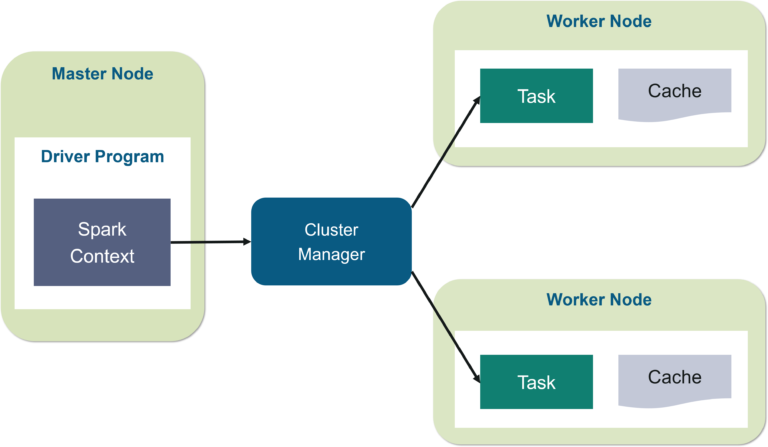
Distributed processing involves dividing data tasks into smaller, manageable chunks that are processed across multiple computing nodes. This parallel execution not only accelerates the processing of large tasks but also ensures optimal utilization of computational resources.
DataFuse AI implements distributed batch processing through Databricks and Livy, both powered by Apache Spark. These integrations allow organizations to handle vast amounts of data efficiently, reliably, and at scale.
Key Components
- Databricks: A unified analytics platform powered by Apache Spark that ensures optimal performance and scalability.
- Livy: A REST service interfacing with Apache Spark, enabling the submission and management of batch jobs seamlessly.
How DataFuse AI Utilizes Databricks and Livy
1. Leveraging Databricks for Optimized Batch Processing
DataFuse AI uses Databricks to provide cloud-based distributed processing powered by Apache Spark. This enables enterprises to efficiently process millions of records for nightly aggregations, reporting, or ETL workflows. The elastic scalability of Databricks ensures high performance regardless of data volume.
By leveraging Databricks’ compute clusters, DataFuse AI can perform large-scale computations in minutes, ensuring fast results for data-intensive applications.
2. Utilizing Livy for Job Submission and Management
Livy acts as a REST interface for Apache Spark, streamlining the process of submitting and managing batch jobs. DataFuse AI integrates Livy to automate Spark job execution efficiently, handling complex data transformations or scheduled batch tasks with ease.
3. Dynamic Cluster Management
DataFuse AI dynamically scales Databricks clusters based on workload size. High-demand periods trigger automatic deployment of additional resources, which scale down when workloads decrease. This elasticity optimizes both performance and operational cost.
4. High-Performance Batch Processing
By harnessing Apache Spark through Databricks and Livy, DataFuse AI achieves high-performance batch processing capable of handling millions of records in minutes. Ideal for ETL operations, data cleaning, and large-scale aggregation tasks, this capability accelerates organizational workflows and decision-making.
Scalability and Performance
As data volumes increase, maintaining performance and efficiency becomes critical. DataFuse AI’s distributed architecture ensures that growing workloads are handled effectively without latency or downtime.
- Elastic Scaling: Compute resources adjust dynamically in response to workload size.
- Parallel Processing: Tasks are distributed across nodes, enabling faster execution.
- Fault Tolerance: Continuous operation is maintained even if individual nodes fail.
Solving Key Data Workflow Challenges
DataFuse AI addresses common challenges faced by organizations using traditional processing systems:
- Data Integration Complexity: Seamless integration with SQL/NoSQL databases, cloud storage, and APIs ensures unified data management.
- Handling Growing Data Volumes: Distributed architecture allows scaling to accommodate larger datasets without performance loss.
- Data Quality and Security: Built-in tools profile and clean data, ensuring consistency and reliability before processing.
Benefits of Distributed Batch Processing Architecture
- Cost Efficiency: Scalable resources via Databricks optimize resource utilization, reducing operational costs.
- Flexibility and Control: Users can select from Databricks, Livy, or DataFuse AI’s native engine to match specific requirements.
- Faster Decision Making: High-performance batch processing accelerates insights from large datasets, supporting quicker business decisions.
Conclusion
DataFuse AI’s distributed processing architecture, powered by Databricks and Livy, offers organizations a scalable, efficient, and reliable solution for managing massive datasets. Leveraging Apache Spark, DataFuse AI enables batch processing of millions of records in mere minutes, maintaining optimal performance and cost-efficiency.
Whether performing complex data transformations or running automated workflows, DataFuse AI delivers the flexibility and scalability necessary to support modern enterprise data operations.
Are you ready to scale your data workflows? Get started with DataFuse AI today and experience the power of distributed batch processing for your business.

 Request a Demo